
courierweb.co.uk is not authorised to provide insurance services. Please refer to authorised firms for regulated information.
Working as a courier/delivery van driver in the UK can provide an exciting and varied source of income. With the ever-growing popularity of online shopping, there is an increasing demand for reliable delivery drivers across the country.
Whether you are a full-time driver, or looking to supplement your income on the side, there are a number of different types of delivery work that you can undertake. From parcel delivery to food delivery, furniture delivery to supermarket delivery, there's something for everyone.
There are many different ways in which drivers can earn good money in UK, and each of them requires a different skill set to the rest. You may already have some of these skills but if not, well, life is for learning, isn't it. However, before undertaking any delivery work, it is important to understand your insurance cover and any existing terms and conditions of employment. This will help ensure that you are not putting yourself or your job at unnecessary risk.
Delivering parcels for companies such as DPD or Yodel is one of the commonest way for delivery drivers to earn a living. We have become a nation of stay-at-home shoppers and often it is far more economical for a courier to make a delivery to us than for us to drive to the shops, perhaps pay a parking fee, collect the goods (if they have any in stock!) then drive home again. This means that demand for parcel delivery drivers will stay high.
It's fairly quick and simple to get started, too, with both freelance and permanent work available and potential pitfalls are few. Applicants usually need to be at least 21 years of age with a clean driving record, presentable, and with a reasonable knowledge of the area they are to work in.
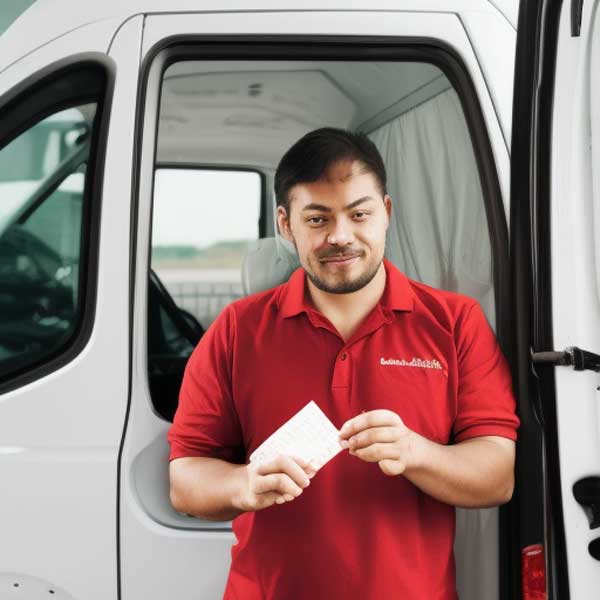
Food delivery work is another popular type of delivery work that UK van drivers can undertake. There are a number of companies operating throughout the country that deliver both hot and cold food to customers directly to their doors. Some companies operate on a timed service, with meals being prepared in advance and then delivered to customers over the course of the day. Other companies are service-focused, whereby orders are taken from customers, then the food is collected from a hot food outlet and then delivered to them.
The benefit of food delivery work is that it can be carried out at any time, day or night, and can be worked as a freelance basis. Potential pitfalls include low pay (although tips can boost this) and high competition in the industry. You'll need to be at least 18 years of age to work in the industry, and have a valid driving licence and access to a car, van or even a scooter. Some companies may also require you to have a food handling certificate.
Food delivery work can often be irregular; couriers are usually expected to both collect food from the outlet, whether it be a restaurant, takeaway, burger bar like McDonald's or Burger King, or even a pop-up kitchen, and then deliver it to the customer. This can mean long hours without work to do and then a rush to fit as many deliveries as possible during busy periods, such as at lunch time and in the evening, which is why so many food delivery couriers are part time workers.
Furniture delivery work is another popular type of delivery work that UK van drivers can undertake. Companies in this sector will typically offer a home delivery service whereby customers can purchase furniture online and have it delivered to their front door. Alternatively you could advertise a service for people moving home but with only a fairly small load to be carried.
Furniture delivery work is often a part-time or weekend job, with deliveries taking place on a one-off basis. It can be a physically demanding form of work, and you may need to be able to lift heavy items. The work can be very tricky if you need to navigate narrow pathways or stairs; this can be particularly true when collecting and delivering furniture to residential addresses. Many items can require two people at least to carry them, which can be a big drawback for a one-man or one-woman band.
A lot of supermarkets offer a home delivery service for their customers, which can be a boon to the elderly or infirm, or those with tight work schedules. You may be obliged to actually pick the different items that the customer has ordered yourself, from the supermarket's shelves, or they can be pre-packed by the staff and made ready for you to collect. Some of these packages can be bulky and quite heavy, so you would need to be reasonably fit, and familiar with good lifting techniques.
Many customers buy their supermaket goods regularly in this way, so you can really get to know some of them!
These involve drivers collectingand delivering goods that are often bulky or heavy items that are difficult for the customers to collect themselves.
This can be a good way for van owners to earn a bit of extra money on the side, particularly if they are unable to do full-time work owing to jobs or other commitments. These serviceses are often advertised online or via local newspapers, and the potential earnings from this type of work can vary enormously.
Another popular type of delivery work that UK van drivers can undertake is for local shops that do not have the capacity to handle large or frequent deliveries themselves. Some shops may be looking for a one-off delivery, whereas others may be looking for someone to deliver to them on a recurring basis.
Many couriers have arrangements with multiple shops in their own locality and it can be very lucrative if organised properly. You would need a van or large car, adequate insurance and a willingness to get out and visit shops and stores to sell your services.
Clearly, there are many different ways in which car or van owners can earn money, and there will be something that suits just about everyone whether you want to work full-time, or just want to earn pin money on the side. When thinking about which type of delivery work to focus on, you'll want to take into account your location, the demand for your services, and your own unique skill set. You'll also want to consider the amount of time you have available, so that you can maintain a healthy work-life balance without interfering with any other commitments you have.
This website is provided by David Gale Marketing of 156 Great Charles Street Queensway Birmingham B3 3HN
CourierWeb.co.uk provides general information only. This website is not authorised to advise on, arrange, or provide insurance, and no regulated activity is carried out here. Any links to insurance providers or services are offered on an informational basis only and should not be regarded as a recommendation or invitation to purchase insurance. Users should rely on information provided directly by authorised firms when considering regulated products.