
courierweb.co.uk is not authorised to provide insurance services. Please refer to authorised firms for regulated information.
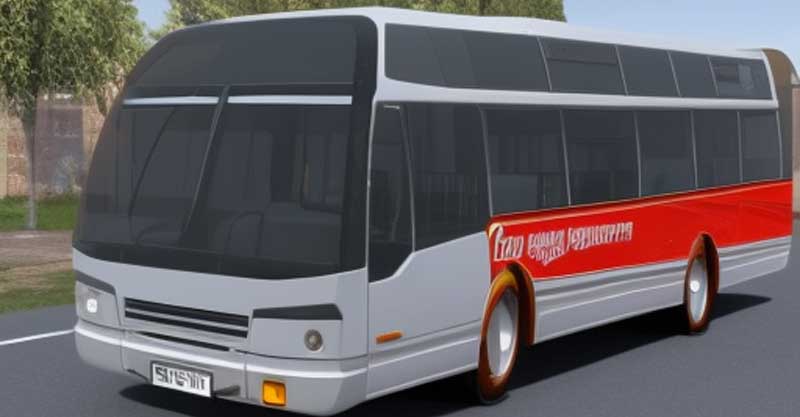
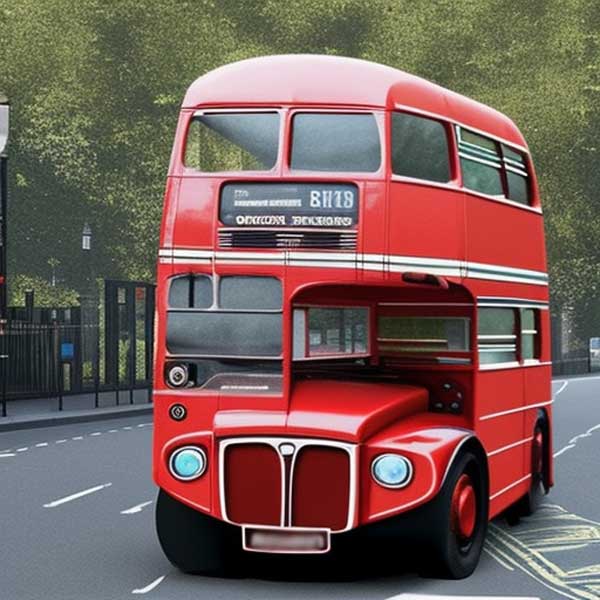
Whilst taxi drivers (who need to be propely licenced) a classed as a form of courier, driving a bus, tram, trollybus, or other form of passenger carrying vehicle (PCV) is a much more complex matter. For instance there is a world of difference between a company running a regular bus service, with the intention of making a profit, and a club, society, charity or group of enthusiasts driving old vehicles that they have preserved or renovated, either for a hobby or to entertain the public.
Even those who do not set out to make a profit are affected by different regulations, depending upon factors such as the purpose of the organisation, the number of passenger seats, and whether or not passengers pay a contribution towards the vehicle's upkeep and maintenance, in exchange for being taken for a ride.
It cannot be over-stressed that the rules governing PCVs are highly complex, and subject to regular changes, and so legal advice is strongly recommended for anyone thinking about operating one, even if it is owned by an organisation that is not intended to make a profit. This article should, therefore, be seen as a rough guide only, and under no circumstances should be considered to be properly qualified advice; and you should read out terms and conditions page before reading further.
Whilst an organisation running a bus service needs to have a Public Service Vehicle Operators (PSVO) licence, NFPs can appy for an exemption for this. It is also possible for drivers to be allowed to drive these vehicles UNDER CERTAIN CONDITIONS without having what is called a PCV D licence, which allows the driver to handle a vehicle with over 16 seats. Having an exemption is not necessarily a watertight allowance to operate without a PSVO licence; there are many possible scenarios which would take a court decision to resolve, which is a process that no-one would want to be involved in. Even charities are not necessarily exempt so, yet again, legal advice should be taken by all NFPs before proceeding with any PCV driving.
This licence can cost anything up to about £3000 to train for, and there are requirements to have further training in the future. It would be necessary for the driver to :
Once you have your licence you would need to refesh your skills on an approved course every five years. This would require you have five sessions of 7 hours each at approved training centres.
These could be either practical courses out on the road, or in a classroom; or a combination of both.
This further training is a legal requirement and attendances are recorded on a central database.
Once you have successfully passed all the tests you would be issued with your driver qualification card (DQC). This is a plastic card that must be carried at all times when you are driving professionally; a police officer can ask to see it at any time and it may be an offence not to be able to produce it.
There are no tests at the end of these courses, but they are designed to help you improve your professional skills.
There is a useful article about not-for-profit permits at this UK Government website useful articles and videos produced by the DVSA are The Official DVSA Theory Test For Drivers Of Large Vehicles, The Official Guide To Driving Buses And Coaches, and The Official Highway Code.
The Official DVSA Guide To Driving Buses contains useful information about driving a public service vehicle in a responsible and eco-friendly way, in order to reduce polluting emissions, conserve fuel and provide a safe and comfortable environment for your passengers, and yourself. The examiner at your practical driving test will expect you to be fully aware of how to achieve these aims.
This website is provided by David Gale Marketing of 156 Great Charles Street Queensway Birmingham B3 3HN
CourierWeb.co.uk provides general information only. This website is not authorised to advise on, arrange, or provide insurance, and no regulated activity is carried out here. Any links to insurance providers or services are offered on an informational basis only and should not be regarded as a recommendation or invitation to purchase insurance. Users should rely on information provided directly by authorised firms when considering regulated products.